Categories
Education and Curriculum

“Discovering the Wonders of Early Education: A Comprehensive Guide to Different Types of Preschool Programs”

“How to Choose the Right Preschool Program for Your Child: An Overview of Different Types “

Early childhood education is a critical stage of a child’s development and lays the foundation for their future success. With so many different types of preschool programs available, it can be overwhelming for parents to choose the right one for their child. In this article, we will explore the different approaches to preschool education, including Montessori, Reggio Emilia, Waldorf, play-based, Early Childhood Education (ECE), child-centered, the Creative Curriculum, STEM education, and project-based learning. We will also answer frequently asked questions about preschool programs to help you make an informed decision.

Different types of Preschool Programs:

  1. Montessori Preschool Program
  2. Reggio Emilia Preschool Program
  3. Waldorf Preschool Program
  4. Play-based programs
  5. Early Childhood Education (ECE) programs
  6. Child-centered programs
  7. The Creative Curriculum
  8. STEM-focused programs
  9. Multiple Intelligences programs
  10. Project-Based Learning programs

Montessori Preschool Program

The Montessori approach to education was developed by Italian educator Dr. Maria Montessori in the early 20th century. This method is based on the idea that children are naturally curious and eager to learn. Montessori programs focus on hands-on, sensory-based activities that allow children to learn at their own pace and in their own way.

Key Principles of Montessori Education

  • Respect for the child’s individuality
  • Child-led learning
  • Hands-on activities and sensory-based learning
  • Imaginative play and creative expression
  • Holistic approach to education

Montessori programs encourage children to explore their environment and discover new things on their own. They also foster social interaction, problem-solving skills, critical thinking, and communication skills. This type of preschool education is designed to meet the needs of the whole child and support their overall development.

Reggio Emilia Preschool Program

The Reggio Emilia approach to education is based on the principles of the Italian educator Loris Malaguzzi. This method emphasizes the child’s innate curiosity and encourages them to explore their environment and make connections. Reggio Emilia programs focus on hands-on, experiential learning and encourage children to ask questions and find their own answers.

Key Principles of Reggio Emilia Education

  • Respect for the child’s potential
  • Child-led learning
  • Experiential learning
  • Problem-solving skills
  • Creative expression

Reggio Emilia programs encourage children to express themselves through various forms of creative expression, including art, music, and drama. This type of preschool education supports a child’s social, emotional, and cognitive development and prepares them for future learning.

Waldorf Preschool Program

The Waldorf approach to education is based on the teachings of Austrian philosopher Rudolf Steiner. This method emphasizes the importance of imagination and creativity in learning and focuses on the whole child, including their emotional and social development. Waldorf programs use storytelling, music, and artistic activities to engage children and help them understand complex concepts.

Key Principles of Waldorf Education

  • Respect for the child’s imagination
  • Creative expression
  • Imaginative play
  • Holistic approach to education
  • Social interaction

Waldorf programs also incorporate structured activities and lessons to support children’s cognitive development. This type of preschool education is designed to help children develop a love for learning and prepares them for future success.

Play-Based Learning

Play-based learning is a popular approach to preschool education that focuses on the child’s natural curiosity and desire to explore. This type of preschool program uses play as a means of learning, allowing children to develop their social, emotional, and cognitive skills in a fun and engaging way.

Benefits of Play-Based Learning

  • Child-led learning
  • Social and emotional development
  • Creativity and imagination
  • Problem-solving skills
  • Development of gross and fine motor skills

Play-based programs often include a variety of activities, such as blocks, dolls, dress-up, and outdoor play. This type of preschool education is designed to meet the needs of the whole child and provides opportunities for them to learn and grow through play.

Early Childhood Education (ECE)

Early Childhood Education programs focus on providing children with a strong foundation in literacy, math, science, and social skills. This type of preschool program is often more structured than play-based programs and includes lessons and activities that are specifically designed to support children’s cognitive development.

Key Components of ECE Programs

  • Literacy and language development
  • Math and science concepts
  • Social skills and emotional development
  • Fine motor skills development
  • Play-based learning

ECE programs are often taught by certified early childhood educators who use a combination of structured lessons and play-based activities to support children’s learning and development. This type of preschool education is designed to prepare children for success in kindergarten and beyond.

Child-Centered Preschool Program

Child-centered preschool programs are designed around the needs and interests of the child. This type of program allows children to lead their own learning and encourages them to explore and discover at their own pace.

Key Features of Child-Centered Programs

  • Child-led learning
  • Respect for the child’s individual needs and interests
  • Hands-on activities and experiential learning
  • Creativity and imagination
  • Social interaction and collaboration

Child-centered programs often include a variety of activities and experiences that support children’s learning and development. This type of preschool education provides opportunities for children to develop their social, emotional, and cognitive skills and prepares them for future success.

The Creative Curriculum

The Creative Curriculum is a widely used preschool program that combines play-based and structured learning. This type of program is designed to support children’s development in all areas and includes lessons and activities that are specifically designed to support their learning.

Key Components of The Creative Curriculum

  • Play-based learning
  • Structured lessons and activities
  • Literacy and language development
  • Math and science concepts
  • Social skills and emotional development

The Creative Curriculum is often taught by certified early childhood educators who use a variety of teaching methods to engage children and support their learning. This type of preschool education is designed to meet the needs of the whole child and prepare them for future success.

STEM Education in Preschool

STEM (Science, Technology, Engineering, and Mathematics) education is becoming increasingly important in preschool programs. This type of program focuses on introducing children to basic concepts in these subjects and encouraging them to develop an early love for STEM.

Key Components of STEM Education in Preschool

  • Introducing basic concepts in science, technology, engineering, and mathematics
  • Hands-on activities and experiential learning
  • Encouraging critical thinking and problem-solving skills
  • Promoting creativity and imagination
  • Supporting fine motor skills development

STEM education in preschool provides children with opportunities to learn about the world around them and develop important skills that will support their future success.

Multiple Intelligences Programs

Multiple intelligences programs are based on the theory that children have different types of intelligence and learn in different ways. This type of program recognizes and nurtures each child’s unique strengths, and provides a customized learning experience that supports their overall growth and development. Multiple intelligences programs are based on the theory of multiple intelligences, developed by psychologist Howard Gardner. This theory suggests that individuals have different types of intelligence, such as linguistic, musical, spatial, and interpersonal, and that these intelligences can be developed through exposure and experience.

Multiple intelligences programs take this theory into consideration and provide a customized learning experience that recognizes and nurtures each child’s unique strengths. For example, a child with a strong musical intelligence may be exposed to a variety of musical experiences and opportunities for exploration, while a child with a strong interpersonal intelligence may be given opportunities to work with others and develop their social skills.

In this type of program, teachers work closely with each child to understand their strengths and weaknesses, and to create a learning plan that supports their overall growth and development. The goal of a multiple intelligences program is to help each child reach their full potential and to provide a well-rounded education that takes into account their unique learning style.

Project-Based Learning Programs

Project-based learning programs emphasize hands-on, experiential learning through real-world projects and challenges. Children are encouraged to take ownership of their learning and to work collaboratively with others, and teachers provide guidance and support throughout the process. This type of program provides children with the opportunity to develop important skills in areas such as critical thinking, problem-solving, and collaboration.

Project-based learning programs are designed to provide children with hands-on, experiential learning experiences through real-world projects and challenges. These programs emphasize critical thinking, problem-solving, and collaboration, and provide children with the opportunity to apply what they have learned in meaningful ways. In project-based learning programs, children are encouraged to take ownership of their learning and to work collaboratively with others. Teachers provide guidance and support throughout the process, helping children to develop important skills in areas such as critical thinking, problem-solving, and collaboration.

One example of a project-based learning program is a garden-based program, where children work together to plan and create a garden, learning about plant growth, composting, and sustainability along the way. Another example is a community-based program, where children work together to identify a community issue and develop a solution to address it.

Project-based learning programs provide children with the opportunity to explore their interests and passions, and to develop a sense of purpose and engagement in their learning. This type of program also helps children develop important life skills that will serve them well into the future.

In conclusion, there are many different types of preschool programs available, including play-based, ECE, child-centered, The Creative Curriculum, STEM-focused, multiple intelligences, and project-based learning programs. By considering your child’s individual needs and interests, you can choose the right program to support their growth and development. Whether your child excels in multiple intelligences or thrives in a project-based learning environment, the right preschool program will help them lay a strong foundation for success in the years ahead.

FAQs

What is the difference between play-based and curriculum-based preschool programs?

A: Play-based programs focus on using play as a means of learning and encourage children to lead their own learning. Curriculum-based programs are more structured and include lessons and activities that are specifically designed to support children’s

cognitive development in areas such as literacy, math, and science. Both types of programs can provide valuable experiences for children and support their growth and development.

Q: How do I choose the right preschool program for my child?

A: The right preschool program for your child will depend on their individual needs and interests, as well as your family’s values and goals for their education. Consider your child’s personality and learning style, as well as the goals and curriculum of each program, when making your decision. It may also be helpful to visit each program and observe a class in session before making a final decision.

Q: What is the importance of preschool education?

A: Preschool education provides children with a strong foundation for their future learning and development. Through preschool, children develop important skills in areas such as literacy, math, and social skills, and gain valuable experiences that will support their success in school and in life.

Q: Can preschool programs benefit children who come from disadvantaged backgrounds?

A: Yes, preschool programs can have a significant impact on children who come from disadvantaged backgrounds. Research has shown that preschool education can help level the playing field for children who may face challenges in their home life or in their future education. Preschool can provide children with a supportive and nurturing environment and the skills and experiences they need to succeed in school and in life.

In conclusion, there are many different types of preschool programs available to families, each with their own unique approach and goals. Whether you choose a play-based program, an Early Childhood Education program, a child-centered program, The Creative Curriculum, or a STEM-focused program, the most important thing is to choose a program that meets the needs and interests of your child and supports their overall growth and development.

Categories
Behaviour and Discipline

5 Techniques for Taming the Anger Monster in Children

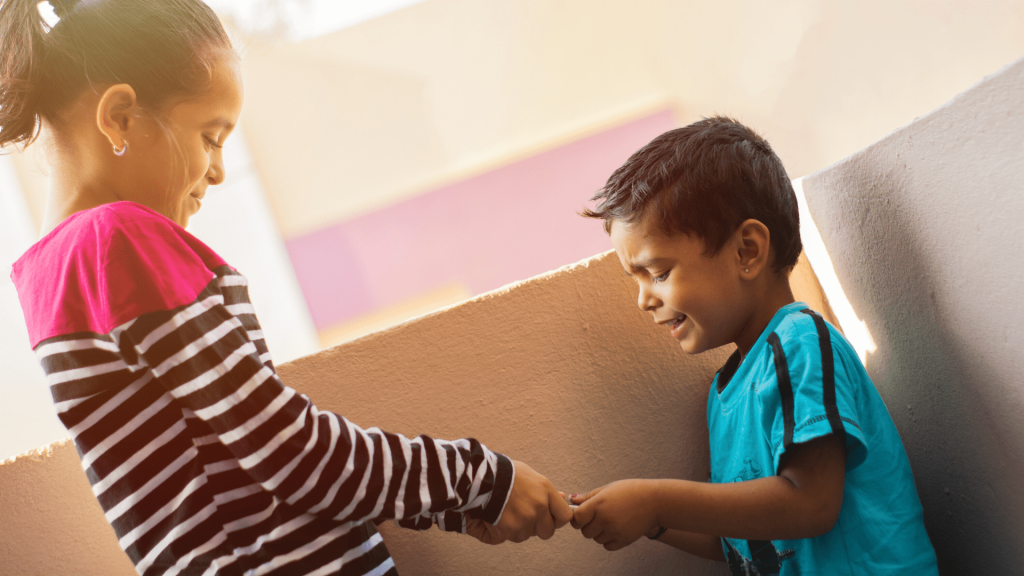
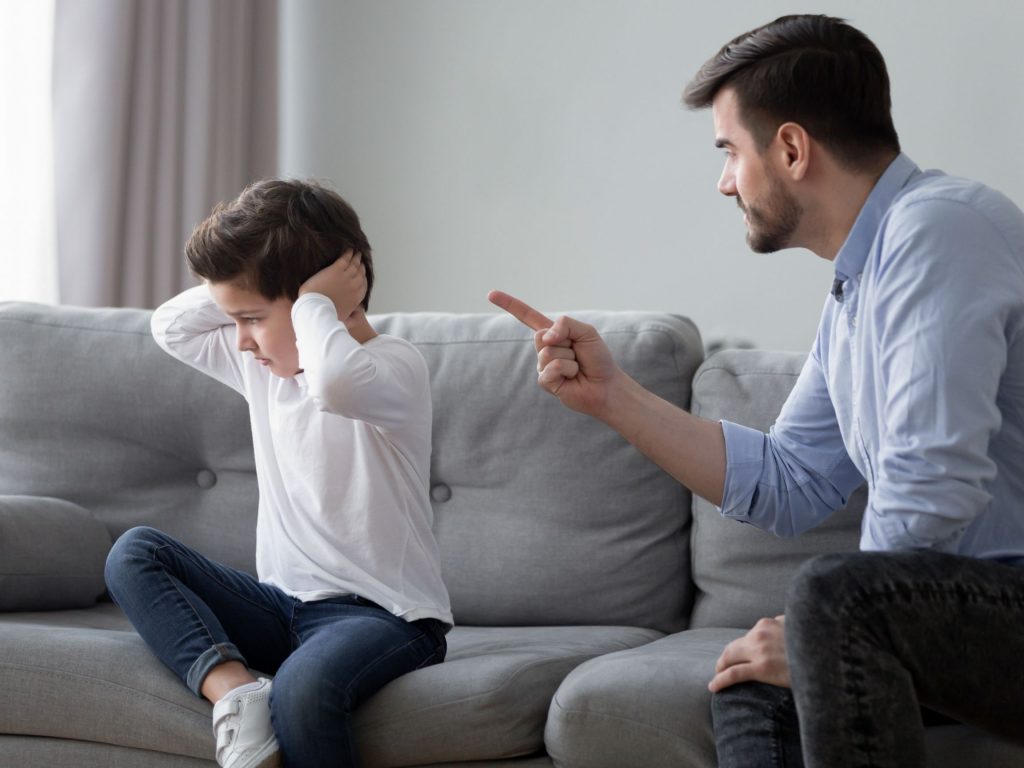
A toddler has to deal with different types of emotions, including negative ones. Frustration and anger can lead to aggression, disrespect, temper tantrums, fighting, teasing, etc. For coping with your toddler’s anger effectively you may have to implement specific strategies, such as:

Differentiating between good and bad behaviour

A toddler has strong emotions and some of them may be negative ones like anger, disappointment, distress, embarrassment, stress, frustration, etc. These emotions can manifest in bad behaviour. You can follow a two-pronged approach to teaching your kid deal with anger:

  1. Teach your child to differentiate between good and bad emotions
  2. Explain that some emotions should not be expressed in the form of action.
Setting an example

Your toddler will learn more from your actions and reactions rather than by following instructions. If your kid sees you losing your temper in a stressful situation, how can you succeed in taming your toddler’s anger issues?

Whereas, if he observes that you always deal with stress gently and calmly, he will pick his cue from your behaviour. The best toddler anger management strategy is to set an example by your actions, moods, and behaviour. So if you are upset, speak out your concerns so that the child learns to talk about his feelings as well. If you lose your cool, remember to apologise later. Your kid will learn to do the same.

Setting acceptable limits

Family rules on acceptable behaviour are tacit and usually not written down. If you have more than one child, your toddler will learn the acceptable limits by watching the behaviour of the older kid. But with your first child, you have to set down the ground rules. Explain that throwing things in anger, screaming, crying uncontrollably, breaking things, hitting others, etc. are not acceptable.

Formulating a toddler anger management strategy

The use of anger management activities for toddlers is a pleasant way of teaching your kid to cope with negative emotions. Older kids tease the younger ones who cannot express their frustration except in the form of anger. Teach your kid to move away from such situations, maybe to another room. Distract your toddler by bringing out his favourite toy and playing with together till he calms down. Whenever possible, use toys that have both entertainment value and educational value.

Explaining the consequences of bad behaviour

Dealing with angry-toddler behaviour is not easy. Your child may not always be able to cope with anger and may cross the acceptable limits. You have to explain that there are positive consequences for good behaviour in the form of treats and more quality time. And that there are negative consequences for bad behaviour in the form of extra chores, denial of a toy (or goodies), or fewer privileges. Ensure that you follow through immediately with these consequences, whether positive or negative. Now your toddler will know you mean business and cannot be ignored.

Despite different strategies, if you are unable to tame the anger monster in your child it may be sensible to seek the help of professionals.

Categories
Feeding Parenting and Childcare

What Are the Most Comfortable Positions to Carry a Baby?

We relive the magical moment when we first held our newborn in the arms. It was a moment of trepidation, ecstasy, and gratitude all rolled into one big emotion! The baby’s crown (top of the head) is a delicate spot so you must avoid exerting pressure. Secondly, the baby cannot hold up its head at this stage so the head and neck need constant support. In this article, I have given you a few tips on safe and gentle positions to hold a baby.

Gentle and Safe baby-carrying positions

You may have to carry the baby while you are standing, walking, sitting, and even in a prone position. Every time, you will have to adjust the hold so that the position of holding the baby is safe and gentle. Here are the tips:

Feeding Position

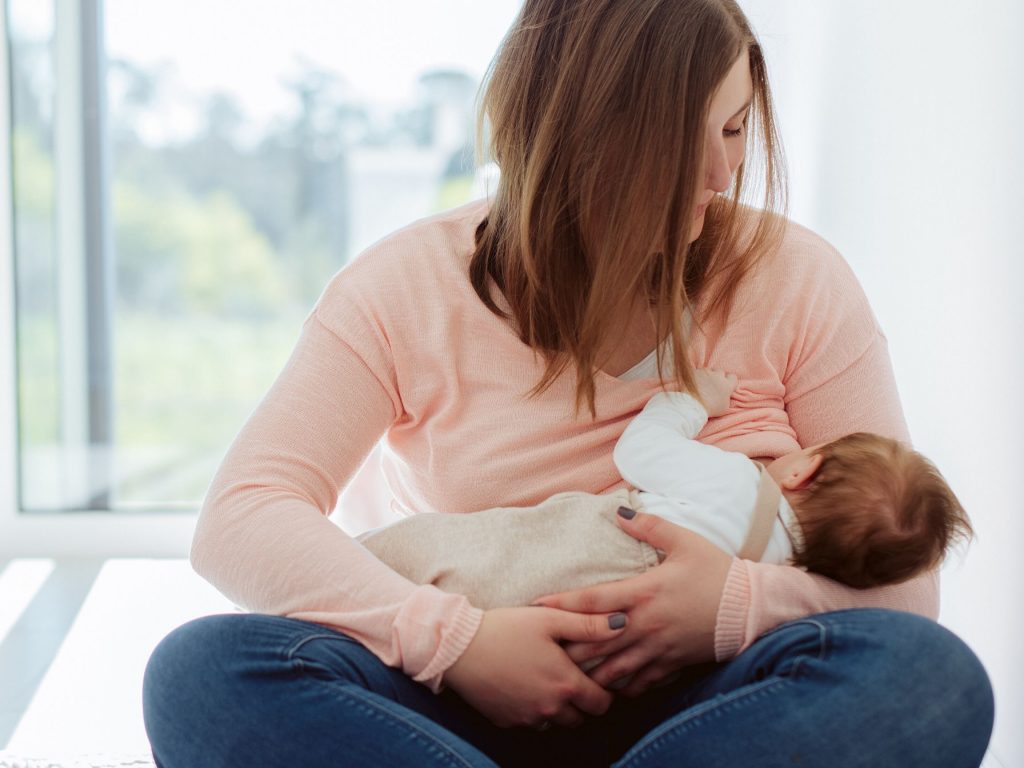
Place your left hand under the head-neck of the baby and the right hand under the buttocks. Lift the baby to your torso. Gently move the right arm upwards along the spine to support the head-neck as well. Place the head at the elbow the left arm and slide the baby’s body along the left arm. Lean the left arm against your torso for extra support.

Carrying Position

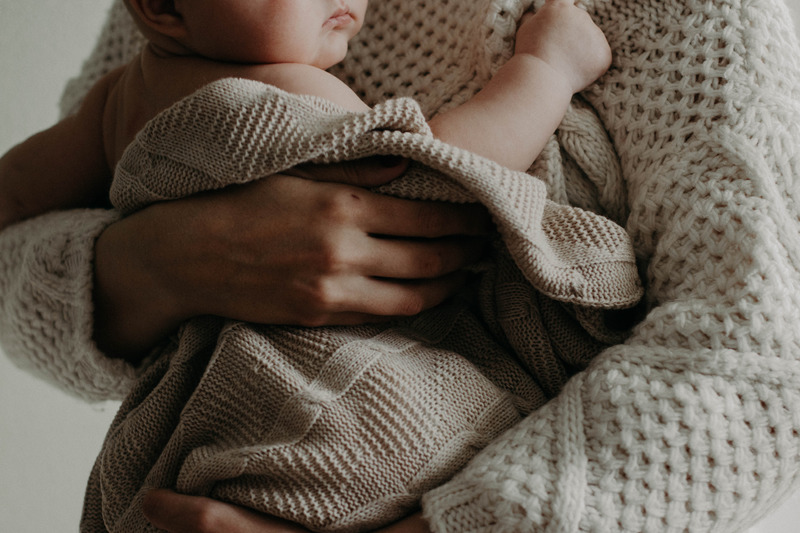
Carrying a baby against your shoulders is one of the most natural and easy babies carrying positions. Place your hands under the baby’s armpits while it is facing you. Make sure that your fingers are supporting the neck and head. Now gently lift the baby till its head is resting on your shoulder. To make this a truly safe and gentle position to hold a baby, ensure that the child can see over your shoulders. The nose should not be resting on your shoulder otherwise the baby will feel smothered.

Burping Position

One of the easiest baby-burping positions is the belly hold. Turn your baby so that the stomach is facing down on the mattress. Now slide your right arm under the baby from the face towards the legs and lift the baby. Support the back with the other hand. Use gentle strokes on the back to burp the baby.

Chores Position

Once your baby can hold its neck steady, you can use the hip hold. Face your child towards you or outwards and place the baby on your hip. Place your arm around the baby’s waist for support. This is a gentle and safe baby carrying position while you want to complete some chores with the free arm.

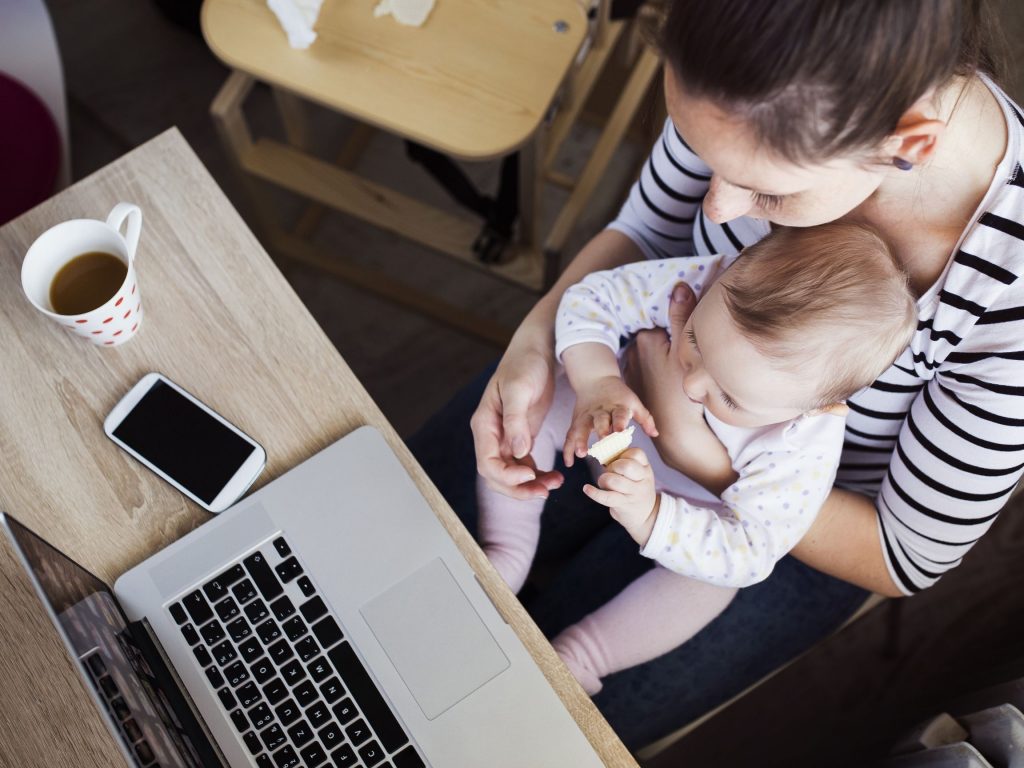
Coffee-Break Position

This baby carrying position is the most comfortable one for you as well as the child and perfect for a much-needed coffee break. Sit down in a comfortable chair and let your baby sit facing outwards. Your torso will support the baby’s head, neck, and spine.

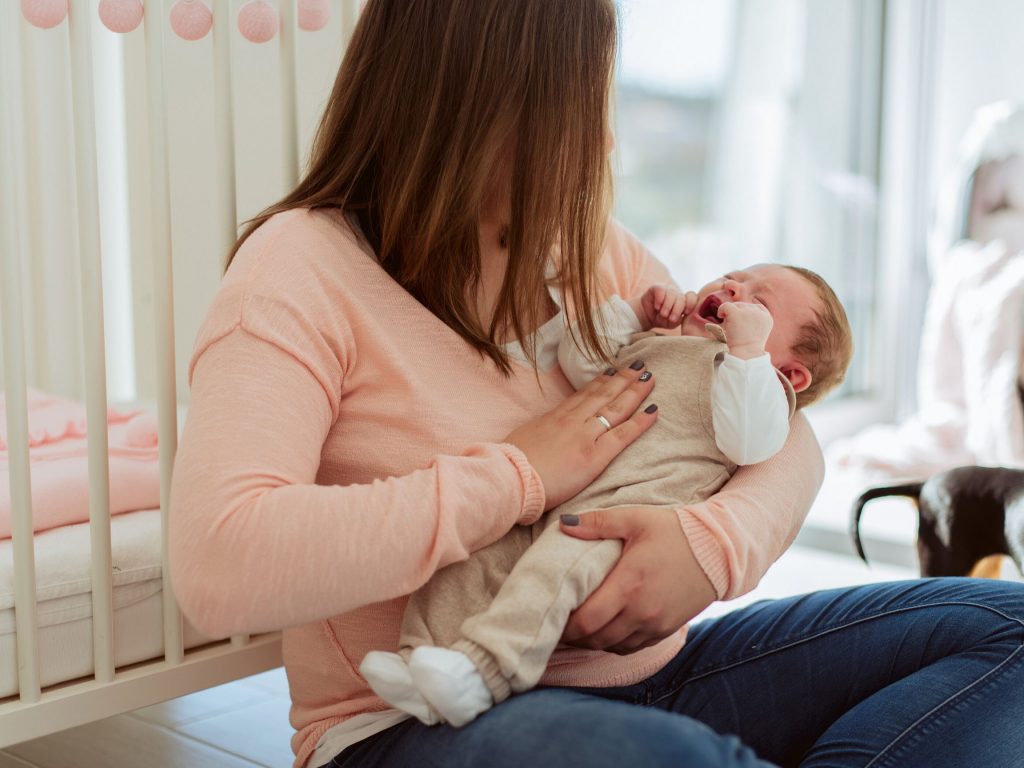
Crying Baby Position

Lift your baby, secure its arms and hold them with the other hand. Make a 45-degree angle of your arm and move it slowly like a swing. The baby will feel soothed and will stop crying.

Holding your baby safely and gently is an instinct but knowing the best positions will make you and your baby happy.

Categories
Parenting and Childcare

What Should You Do If Your Toddler Is Too Clingy?

A toddler’s clingy stage is not an easy phase for a mom. There are many reasons why toddlers want to be carried all the time. It may be because your baby is learning to adapt to changes like a new crib, a new room, etc. Sometimes, kids want to be carried when they are in crowded areas or just because they are tired. It is better to make the child independent during the very early stages of childhood development. Here is a list of things you could do to make things easier for yourself

Encourage independence

Your love for the baby may compel you to carry the child more than is necessary. Curb the urge to carry the child and do so only when your little one asks to be carried; that too, not every time he asks! Let your toddler crawl or walk around the house freely and let him/her explore. Be in the same room and just keep a watchful eye to prevent falls or injury. While going out, use the stroller instead of carrying the child.

Take your kid for walks

Walking to the park is another easy way of preventing clingy behaviour in toddlers. Point out children who are running around the park and having fun. Offer incentives like more pushes on the swing or more ball-play time if your little one walks to the park. But the incentives should not be in the form of more cookies, chocolates, or toys. That will give your kid the wrong signal and he will refuse to walk just so that he can get more goodies. You can carry him while returning because he is naturally going to be tired and probably hungry too.

Avoid giving in

Toddlers who always want to be carried resort to temper tantrums if they do not get their way. To avoid embarrassment in public you may feel tempted to give in. You are doing more harm by encouraging laziness. Your kid will learn to use tantrums as a way of getting whatever he wants. So you will need to be firm and not let emotions get the better of you.

Praise good behaviour

Whenever your child has walked around a mall or park, carried out simple tasks independently or is very accommodating remember to praise such actions. Your kid will develop a sense of self-reliance. He will also get a feeling of achievement every time he walks instead of being carried around. Praise goes a long way towards boosting your toddler’s self-confidence.

Keep your temper in check

Scolding a clingy toddler will only worsen the situation. Both you and the child will be distressed. Instead, use a pleasant, gentle but firm tone of voice to persuade your kid to sit in the stroller or to walk.

Look for signs when your toddler is tired and carry your child. The rest of the time, let him romp around and enjoy his freedom. Set these habits as soon as your baby starts crawling so that he learns to play on his own. As you go on teaching your child more self-reliance, your kid will not be a toddler who clings anymore.

Categories
Parenting and Childcare

Things to Avoid While Dealing with Working Mom Guilt

Being a mother is the biggest gift from nature. But dealing with working mom guilt can hamper your thoughts and actions. When you are a working mother, you do not have spare time to be miserable because you are working. To make life as a working mom easier, why not eliminate these negative feelings?

My-Responsibility-Syndrome

Every chore at home is not necessarily your responsibility. Get rid of the notion that only you can do something efficiently. Learn to delegate household chores to children when they are still small. Never mind if they are not as quick and as smart as you. Let them do things at their own pace. Guide them and encourage them to do better. Do not take up every task upon yourself or you will be burdened with the jobs forever. Also, this will discourage them from becoming self-reliant and confident.

Self-Reproach

Being a mom is a fulfilling experience but this does not mean you have to be at the beck and call off your children. Some amount of healthy neglect will teach your kids independence, responsibility, and self-help. If you forget a small task, do not berate yourself; especially not in front of the kids. Instead, motivate the kids to do the job on their own without seeking any assistance.

Excessive Regimentation

Some discipline and organisation are necessary for every household, otherwise the home environment becomes chaotic. But too much regimentation can be stressful for you as well as the kids. Keep a good balance between house rules and freedom so that there is a pleasant atmosphere and the parent-child relationship is cordial.

Forgetfulness

The question of how to get over working mom guilt is raised most often when you forget a parenting task. You may be rushed off your feet and may forget that it is a sports day in your kid’s school. So your little one goes off wearing the wrong uniform. Should you beat yourself up for forgetting? Instead, what you can do is make a note of the important dates/days when your kid may need extra attention and help. You can also set reminders so that the chances of forgetting can be reduced.

Critics

Know that there will always be some people who will criticise your efforts. Their comments every time you make a mistake in parenting will make it harder to cope with working mom guilt. Constructive criticism is fine if the person is giving you useful information. But petty comments should be ignored if you cannot avoid their company. You are trying your best at maintaining a good work-life balance! Do not let anyone persuade you to think otherwise.

What do kids want from their parents? They just need love and attention. They need to feel that the parents appreciate their efforts. Small children are not judgemental and are usually willing to accept you with faults and everything. Do not let the guilt of a working mom sour a wonderful parent-child relationship.

Be happy!

Categories
Parenting and Childcare

Psychological Impact of Fighting in Front of Your Child

According to the research carried out by the US National Library of Medicine, negative emotionalism in a toddler is a precursor to many problems as adults. The toxic relationship of parents can cause poor physical and emotional health of a child. Therefore, the psychological impact of fighting parents on a toddler can have far-reaching consequences.

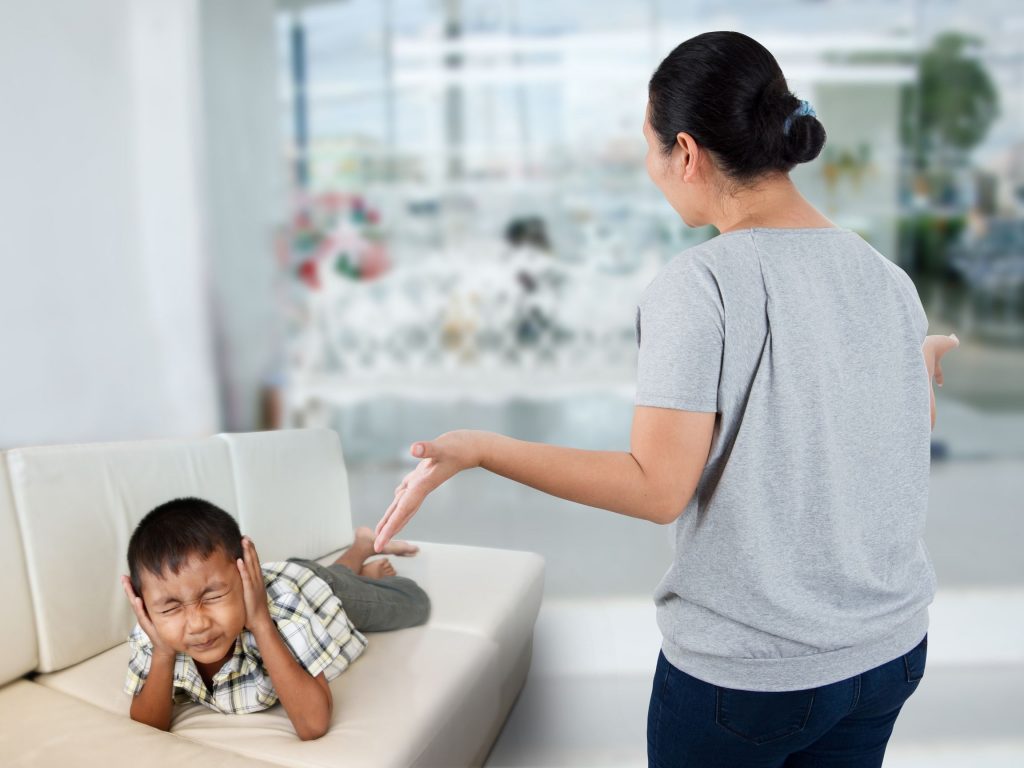
During early childhood development, a kid learns from the parents’ behaviour that there are negative emotions. Toddlers emulate most of their parents’ actions and words. They can sense moods and even newborn babies can understand ‘anger’. When parents fight in front of their kids, they are displaying their inability to deal with negative emotions or situations.

Some of the effects of these conflicts on a toddler are:

Emotional insecurity

Fighting in front of a child makes the kid feel insecure and worried about the future. The unpredictability of the fights makes it even more worrisome, whether there will ever be a normal life.

Family bonding

Situations of parental conflict, angry words, physical altercations, abuse, etc. not only cause a chasm in the parents’ relationship but also between the parents and child. They lose out on the love, affection, and warmth that they usually expect from parents.

Stress

Parental conflicts impede a toddler’s physical and emotional development. The child feels stressed out every time the parents get into a heated argument. Overhearing fights and raised voices will make the child miserable.

Cognitive disorders

A child growing up in a happy environment gets the opportunity to develop cognitive skills at a normal pace. The parents can give the child sufficient time and attention to help develop these skills. In an environment of parental conflicts, a child’s development of cognitive skills will be slower.

Aggression/delinquency

The toddler will imitate the parents. If the parents are always fighting in front of the child, the kid will treat siblings and others with anger and hostility. While growing up, the kid will find it difficult to maintain healthy relationships.

Eating and sleeping disorders

One of the effects of marital conflict on toddlers is sleep deprivation and eating disorders. Kids whose parents are always fighting tend to eat less and may suffer from various health issues like migraines, irritable bowel syndrome, malnutrition, anorexia, bulimia, or worse.

Substance abuse

The worst impact of fighting parents on children is substance abuse. Children from an unhappy home will seek comfort outside. Kids who indulge in smoking, drugs, drinking, etc. are usually from homes where the parents fight in front of the kids.

Low academic performance

Arguing in front of kids affects their grades. Researchers say that one of the biggest reasons for the low academic performance of a child is due to frequent parental conflicts.

Your toddler learns to handle negative emotions, conflicts, and disagreements by seeing how you handle similar situations. When parents fight in front of the kids, the child cannot identify the home as a safe and secure environment. Therefore, parental conflict adversely affects the overall development of a child.
Categories
Travel

Secrets of Easy Air Travel with a Baby

Air travel with a baby can be very stressful if you have not planned well for the trip. You probably have a checklist of what kind of clothes and essentials you should carry according to the baby’s age and needs. But here are other secrets that will make air travel with a baby easier for you.

Saving Travel Time

  • To save time, book your flights as follows:
  • Choose direct flights as far as possible.
  • If you need to change flights, try to use the same airline for the connecting flight so that check-in luggage is carried forward automatically.
  • Opt for online flight check-in and print out the boarding passes in advance.

Ensure that there is a layover of at least 3-4 hours so you can go across the airport at a leisurely pace. This will give some time to your delightful toddler to run around and play for a while before boarding. Hopefully, your little one will start feeling tired and sleep through the flight.

Potty Breaks

About 15-20 minutes before boarding, change your baby’s diaper. Your child might not feel comfortable in the tiny airplane lavatory. So, it makes perfect sense to take a short potty break before boarding time.
Elder Kid Arrangements

If you have an elder kid, book a separate seat for him. He will probably be restless and need plenty of space. Airplane travel for toddlers is not easy. Sitting in a cramped space with two kids is a recipe for disaster!

Low Price Alerts

Airfares are expensive, so it is economical to register on www.skyscanner.co.in to get notifications when prices of specific flights drop. With this tool, you can pre-set an alert for low price options to a particular destination. By booking when the prices are low, you can afford to buy a separate seat for the elder kid(s) so that everyone is comfortable.

Gate Checking baby gear

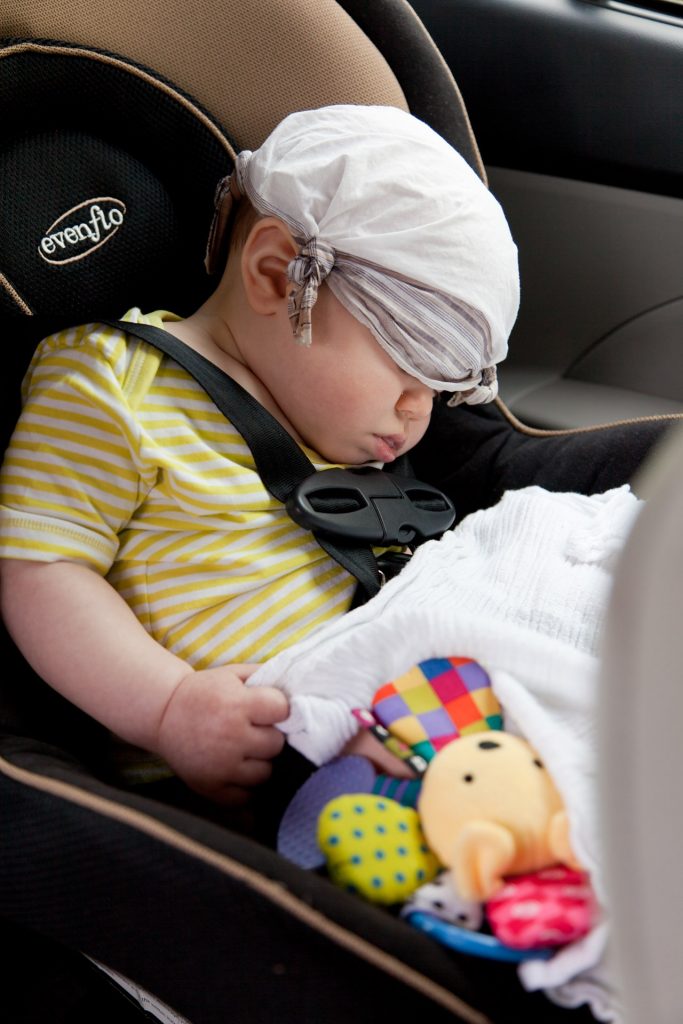
At the time of boarding, gate-check your baby’s stroller and other gear. Attach tags to each item. Leave the air travel accessories for your toddler at the bottom of the jet-way. The airplane staff will ensure that they are on board. Pick them up again once the flight has landed. Although one can rent baby gear at the destination, taking your own set of baby items is always preferable. Your child is familiar with his gear and is usually willing to sit peacefully in his car seat.

The Pacifier Effect

During flights, we often chew gum or sweets once the flight is airborne. At the same time, give your baby his pacifier. Chewing on the soother keeps his ears from popping and he is comfortable during take-off and throughout the flight. Carry a couple of spare soothers in the baby bag (cabin luggage).

Try these tricks and you will see that air travel with a baby is not so horrifying! In fact, it will motivate you to travel often and enjoy frequent breaks. These air travel tips with a baby will surely make your next trip easier and stress-free.